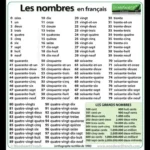

Learning how to say 7 in french is simple and fun. The French word for 7 is sept (pronounced “set”), and it plays a key role in everyday French conversations. Whether you are a beginner or brushing up on your skills, this guide covers everything you need to know about the number seven in French, from pronunciation to real-world usage.
Have you ever wondered how to say 7 in french? Maybe you are planning a trip to Paris, studying French for school, or simply curious about foreign languages. Whatever the reason, knowing your numbers is one of the first steps in any language journey.
The number 7 in French is sept, and it is one of the easiest words to learn. In this guide, we will walk you through everything you need to know. From pronunciation tips to cultural fun facts, you will find practical advice that makes learning stick. We will also explore how numbers work in French and where you might see sept in everyday life.
Learning a new language does not have to feel overwhelming. Short, focused lessons work best. So let us dive right into the world of French numbers and make the process enjoyable.
Key Takeaways
- The French word for 7 is “sept”: It is straightforward to pronounce and spell.
- Pronunciation is key: The “s” is silent, and the word rhymes with “set” in English.
- 7 appears in many French expressions: Idioms and cultural phrases use this number frequently.
- Counting in French follows patterns: Once you learn 1 through 10, building higher numbers becomes easier.
- French numbers differ from English: Understanding the structure helps you learn faster.
- Practice makes perfect: Using real-life examples and tips helps you retain the number naturally.
📑 Table of Contents
- What Is the French Word for 7?
- Why Learn Numbers in French?
- How French Numbers Differ from English
- Fun Facts About the Number 7 in French Culture
- Easy Tips to Remember “Sept”
- Common Mistakes When Saying 7 in French
- How to Use “Sept” in Sentences
- Expanding Your French Number Skills
- Final Thoughts on Saying 7 in French
What Is the French Word for 7?
The French word for 7 is sept. It is spelled exactly the way it sounds, which makes it beginner-friendly. The pronunciation is close to the English word “set.” Once you master this one word, you are one step closer to counting fluently in French.
Pronouncing Sept Correctly
Many English speakers worry about French pronunciation. The good news is that sept is very approachable. Here is a simple breakdown:
- The “s” at the beginning is silent.
- The “e” sounds like the “e” in “bed.”
- The “p” is pronounced clearly.
- The “t” at the end is soft and crisp.
Put it together, and you get “set.” That is it. Practice saying it a few times out loud. Soon it will feel natural. If you ever come across abbreviations or slang in French text messages, you might also encounter terms like SMH meaning in text, which shows how language learners often run into informal shortcuts too.
Why Learn Numbers in French?
Numbers are everywhere. You use them when telling time, ordering food, shopping, and giving directions. In French, numbers follow a specific pattern that is different from English but logical once you understand it.
Numbers in Daily Life
Imagine sitting at a café in Lyon. The waiter asks how many people are in your group. You respond, Sept. Or picture yourself checking the time and seeing 7:00 on a clock. You would say sept heures. These small moments make learning numbers practical and exciting.
Beyond daily tasks, knowing your numbers helps with reading addresses, prices, and phone numbers. French phone numbers are spoken in groups of two digits, and you will need basic numbers like sept to navigate them confidently.
Building Blocks for Higher Numbers
French counting builds on a base system. Once you know the numbers 1 through 10, you can tackle 11 through 20 and beyond. The number sept serves as a building block. For example, seventeen in French is dix-sept, which literally means “ten-seven.” This pattern continues throughout the French number system.
How French Numbers Differ from English
One of the most interesting things about how to say 7 in french is how the French number system works differently from English. Let us look at some key differences.
The Base-Twenty System
French uses a base-twenty system for numbers above 69. This means that numbers like 70, 80, and 90 are built differently than in English. For example:
- 70 in French is soixante-dix (sixty-ten).
- 80 is quatre-vingts (four-twenties).
- 90 is quatre-vingt-dix (four-twenties-ten).
This might seem unusual at first. But once you get used to the pattern, it actually makes higher numbers easier to figure out. The number sept plays a role in several of these combinations.
A Quick Comparison Table
| English | French | Pronunciation |
|---|---|---|
| 5 | cinq | san |
| 6 | six | sees |
| 7 | sept | set |
| 8 | huit | weet |
| 9 | neuf | nurf |
| 10 | dix | dees |
| 17 | dix-sept | dees set |
As you can see, sept appears not only on its own but also inside the number 17. This makes it even more important to memorize correctly.
Fun Facts About the Number 7 in French Culture
Numbers are not just math. They carry cultural meaning too. The number sept holds a special place in French-speaking cultures around the world.
Seven in French Idioms
French is rich with idioms that use the number 7. Here are a few popular ones:
- À septans: A playful way to say something happens rarely.
- Sept à la maison: Refers to having seven people at home, often used in traditional sayings.
- Septembre: The seventh month of the year, which comes from the Latin word for seven.
These expressions show how deeply numbers are woven into language and culture. Learning them adds flavor to your French studies and helps you sound more natural.
Seven in Music and Literature
France has a long history of art and music. The number 7 appears frequently in French songs, poems, and stories. From the seven notes of a musical scale to the seven wonders referenced in classic literature, sept carries symbolic weight. If you enjoy French music or read translated works, you will likely encounter this number often.
Easy Tips to Remember “Sept”
Memory tricks can make learning faster. Here are some practical tips to help you remember how to say 7 in French.
Tip 1: Use Visual Association
Think of the word “sept” and connect it to “set.” Picture a set of seven objects, like seven pencils or seven stars. Every time you see or imagine a set of seven, say “sept” out loud. This visual link strengthens your memory.
Tip 2: Practice Counting Aloud
Repetition is your best friend. Count from 1 to 10 in French every morning. Say it while brushing your teeth or making coffee. The more you hear yourself say sept, the more natural it becomes.
Tip 3: Use Flashcards
Write the number on one side of a card and the French word on the other. Test yourself daily. Apps like Quizlet or Anki make this easy and fun. Focus especially on the numbers 6 through 10, since sept sits right in the middle.
Tip 4: Watch French Videos
Immerse yourself in the language. Watch short French videos or cartoons where numbers are spoken. Hearing native speakers say sept helps you pick up the correct accent and rhythm.
Tip 5: Practice with a Friend
Find a study buddy or join an online French community. Quiz each other on numbers. Teaching someone else is one of the best ways to reinforce what you have learned.
Common Mistakes When Saying 7 in French
Every language learner makes mistakes. Here are some common errors to watch out for when learning how to say 7 in french.
Mistake 1: Pronouncing the “s”
In English, the “s” at the start of a word is usually pronounced. In French, it is often silent. Saying “sep-t” instead of “set” is a common error. Remember, the “s” in sept is not sounded.
Mistake 2: Confusing Sept with Six or Sept
Beginners sometimes mix up sept (7) and six (6). They also confuse it with “sept” and “septième” (seventh). Practice saying each number slowly and clearly to avoid this mix-up.
Mistake 3: Forgetting Liaison
In spoken French, sounds often connect between words. When you say “dix-sept,” the “x” in “dix” links to the “s” in “sept.” This liaison makes the word sound like “dee-set.” Forgetting this connection can make your speech sound less natural.
How to Use “Sept” in Sentences
Knowing a word is one thing. Using it correctly is another. Here are some practical sentences where sept fits naturally.
- J’ai sept ans. (I am seven years old.)
- Il est sept heures. (It is seven o’clock.)
- Elle a sept livres. (She has seven books.)
- Nous sommes sept à table. (We are seven at the table.)
- Le septembre est le neuvième mois. (September is the ninth month.)
Try using one of these sentences today. Writing them down or saying them aloud helps lock them into your memory. The more you use sept in context, the more confident you will feel.
Expanding Your French Number Skills
Now that you know how to say 7 in french, why stop there? Building on your number knowledge opens doors to more advanced conversations. Here is a quick roadmap.
Learn the Teens Next
Numbers 11 through 16 are unique words in French. But starting at 17, the pattern kicks in. Dix-sept (17), dix-huit (18), and dix-neuf (19) all follow the “ten + digit” structure. Since you already know sept, you already know part of 17.
Tackle the Tens
Once you are comfortable with the teens, move on to the tens. Twenty (vingt), thirty (trente), forty (quarante), fifty (cinquante), and sixty (soixante) form the foundation for all higher numbers in French.
Practice with Real-Life Scenarios
The best way to solidify your number skills is through real-life practice. Try these activities:
- Count the items in your kitchen and say them in French.
- Set your phone to French and read the numbers on the clock.
- Play French number games online or with friends.
- Write a short paragraph about your day using as many numbers as possible.
Each small practice session adds up. Over time, you will find that counting in French becomes second nature.
Final Thoughts on Saying 7 in French
Learning how to say 7 in french is a small but meaningful step in your language journey. The word sept is easy to pronounce, simple to spell, and useful in countless situations. From telling time to counting objects, this number shows up everywhere in French daily life.
Remember the tips and tricks shared in this guide. Practice regularly, stay curious, and do not be afraid to make mistakes. Every error is a learning opportunity. With consistency and a positive attitude, you will be counting to ten in French before you know it.
So go ahead. Say sept out loud right now. Feel the word on your tongue. That is step one, and you are already on your way to fluency.
Frequently Asked Questions
What is the French word for 7?
The French word for 7 is sept. It is pronounced like the English word “set,” with a silent “s” at the beginning. It is one of the simplest French numbers to learn and remember.
How do you pronounce sept in French?
To pronounce sept, say “set.” The “s” is silent, the “e” sounds like the “e” in “bed,” and the “pt” ending is crisp. Practice saying it slowly at first, then speed up as you grow more comfortable.
What does dix-sept mean in French?
Dix-sept means seventeen in French. It follows the pattern of “dix” (ten) plus “sept” (seven). This structure shows how the number 7 is a building block for higher numbers in the French counting system.
Is the number 7 considered lucky in French culture?
Yes, the number 7 is often considered lucky in French culture, much like in English-speaking countries. It appears in many idioms, songs, and traditional sayings. The month of September also derives from the Latin word for seven.
How can I practice saying sept every day?
Try counting objects around your house in French. Say sept out loud while pointing to seven items. You can also use flashcard apps, listen to French number songs, or practice with a language exchange partner for consistent reinforcement.
Are French numbers hard to learn for beginners?
Not at all. French numbers follow a logical pattern, especially once you learn the basics. The number sept is one of the easiest to start with. After mastering 1 through 10, you can build higher numbers using simple combinations like “dix-sept” for 17.